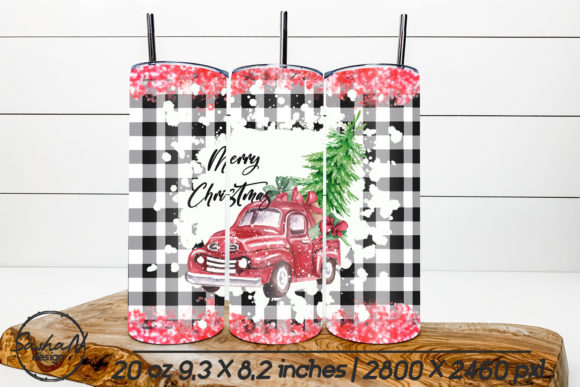
Merry Christmas Tumbler Design: A Pro Review
As a designer who spends more time staring at stitch maps than holiday movies, I approach every new machine embroidery design with a mix of excitement and skepticism. When I first pulled up the Merry Christmas Tumbler Design, 20 Oz, my immediate thought wasn't just about how cute it looked on the screen, but how it would translate to actual fabric. In our line of work, a design that looks perfect in a digital preview can sometimes turn into a puckered mess on a sweatshirt or a blurry blob on a tote bag. This review breaks down the practical realities of using this specific asset for real-world projects, client orders, and small shop merchandise.
First Impressions and Visual Personality
The initial mood of the Merry Christmas Tumbler Design, 20 Oz is undeniably festive without being overly cluttered. For those of us creating holiday embroidery items, striking the balance between "cheerful" and "cheap" is crucial. This design leans towards a classic, cozy aesthetic. The layout appears optimized for vertical spaces, which makes sense given its naming convention referencing a 20 oz tumbler. However, as an experienced reviewer, I see potential far beyond just drinkware. The composition has a strong vertical flow that works exceptionally well on the left chest of a cardigan, the spine of a book tote, or even centered on a kitchen towel.
What stands out most is the apparent attention to detail in the lettering and graphical elements. In many seasonal files, text becomes an afterthought, often too small to stitch out cleanly. Here, the typography seems robust enough to handle standard thread colors without losing definition. The visual personality suggests a handmade warmth that appeals directly to buyers looking for authentic, non-mass-produced gifts. It feels like a design that belongs in a boutique setting rather than a big-box store clearance rack.
Real-World Application Scenarios
Let's move from theory to practice. Imagine you are preparing a batch of custom orders for a local craft fair or updating your Etsy seller shop for the December rush. You need products that sell quickly but require efficient production time. The Merry Christmas Tumbler Design, 20 Oz fits perfectly into a "gift set" strategy. I can easily envision stitching this onto a high-quality canvas tote bag design paired with a matching mug. The vertical orientation allows it to sit neatly alongside a handle or pocket without interfering with the bag's functionality.
Another strong use case is sweatshirt embroidery. Holiday gatherings often call for matching family loungewear. Because this design likely avoids excessive density (a common issue in fill-heavy holiday graphics), it should drape well on fleece or French terry cotton. If you are running a craft business, versatility is key. This file could easily be adapted for an embroidered patch if your machine supports in-hoop patch making, adding a layer of value to jackets or backpacks. For baby embroidery projects, such as a holiday onesie or blanket border, the scale would need to be reduced, but the clean lines suggest it could hold up well even at smaller dimensions, provided the stitch count allows for it.
Navigating Fabric and Hoop Challenges
While the design shows promise, there are areas where caution is necessary. Not every fabric plays nice with every embroidery file. If you plan to use this on textured fabrics like waffle knit or heavy wool blends, you must account for how the stitch density interacts with the surface. High-density areas might sink into deep textures, making the design look muddy. Conversely, on thin or stretchy fabrics like jersey knits, a heavy design can cause significant puckering. Always pair this with the appropriate stabilizer; for stretchy materials, a cut-away stabilizer is non-negotiable to maintain the shape of the finished product after washing.
Curved surfaces present another challenge. While the name implies tumbler use (likely for sublimation or vinyl in its original context, or perhaps a specific wrap-around embroidery technique), applying this to a curved cap requires careful hooping. The center of the design should align perfectly with the cap's seam to avoid distortion. Furthermore, pay close attention to tiny lettering or intricate corners. If the design includes fine details, test them on a scrap piece of your intended fabric first. What looks crisp on a retina display might merge together when stitched with polyester thread on a dark background.
Impact on Brand and Customer Perception
In the world of commercial embroidery and handmade goods, presentation is everything. Using a well-balanced design like the Merry Christmas Tumbler Design, 20 Oz elevates the perceived value of your handmade product. Customers can tell the difference between a design that was thrown together and one that was curated. A clean, professional stitch-out builds trust. It tells the buyer that you care about quality, which encourages repeat business and positive reviews. Whether you are selling custom apparel or personalized home decor, the clarity of the stitching directly influences whether a customer sees the item as a cherished keepsake or a disposable novelty.
For digital product sellers offering printable mockups, this design offers excellent visual appeal. Its clear shapes and festive theme make it ideal for creating compelling listing images that stop the scroll. However, remember that a mockup is only as good as the reality. Ensure your digital previews accurately represent the texture and dimension of the actual embroidery to manage customer expectations.
Essential Designer Notes and Best Practices
Before you commit to stitching this on a client's expensive garment, follow these practical steps:
- Test on Scrap Fabric: Never skip the test run. Stitch the design on the exact same material and weight you plan to use for the final product.
- Check Thread Contrast: Verify that your chosen thread colors provide enough contrast against the fabric, especially if working with dark backgrounds where holiday reds and greens can get lost.
- Review Stitch Density: Look closely at the stitch map. If there are large solid blocks of color, consider editing the file to reduce density if your machine struggles with thick layers.
- Confirm Hoop Size: Ensure the design fits within your available hoop size without needing to re-hoop, which can lead to alignment issues.
- Inspect Small Details: Zoom in on the digital file to check for tiny running stitches or sharp corners that might cause thread breaks.
- Mockup Testing: Create black and white mockups to ensure the design holds its form without relying solely on color for definition.
- Licensing Verification: Since this falls under Print Templates or digital assets, always confirm the licensing terms. Can you sell the finished physical item? Can you resell the digital file? Clarify this before listing items in your small shop product catalog.
Ultimately, the Merry Christmas Tumbler Design, 20 Oz appears to be a versatile addition to a holiday collection. It bridges the gap between trendy tumbler culture and traditional needlework. By approaching it with a critical eye and testing it rigorously, you can transform a simple digital file into a standout finished product that brings joy to customers and profit to your business. Remember, the best designs are the ones that survive the transition from screen to stitch with their charm intact.