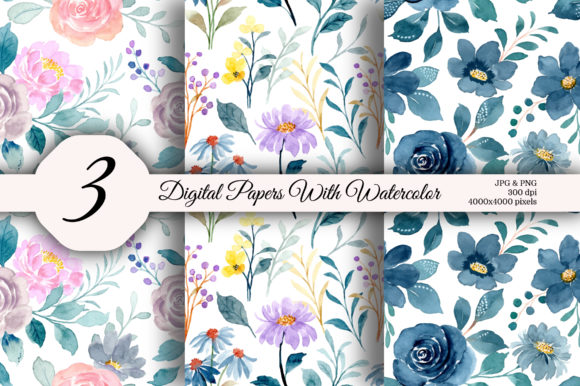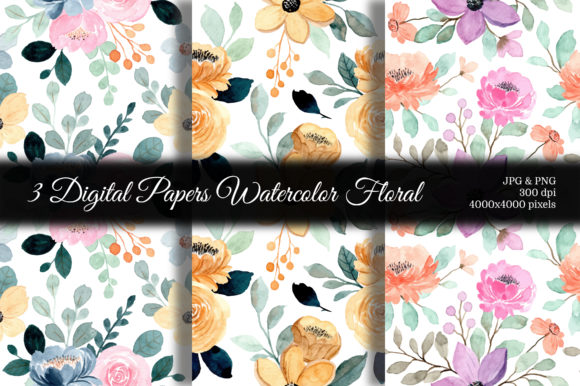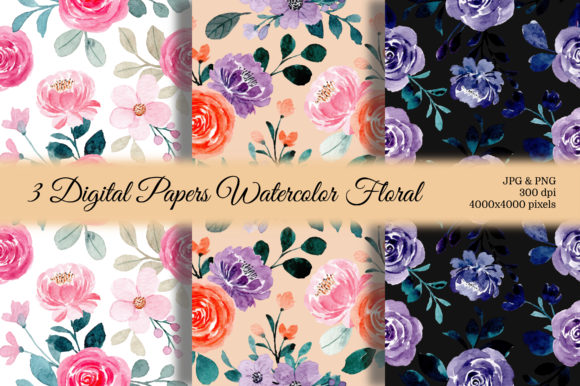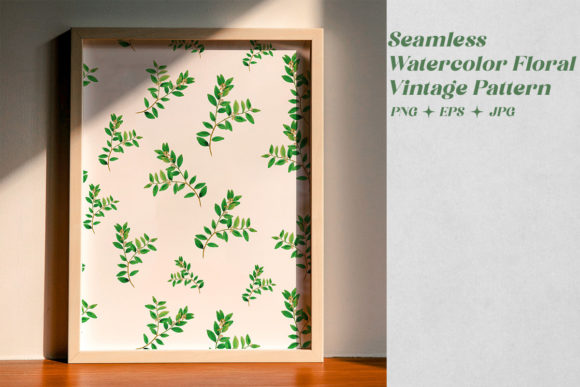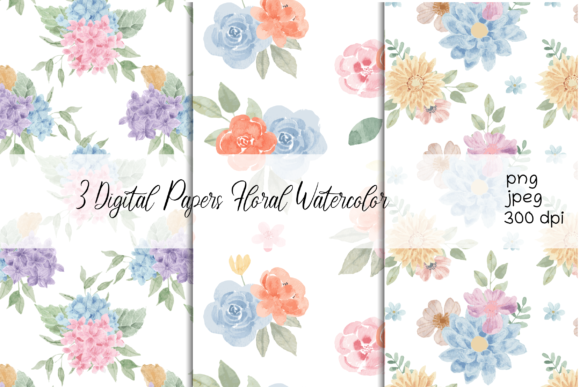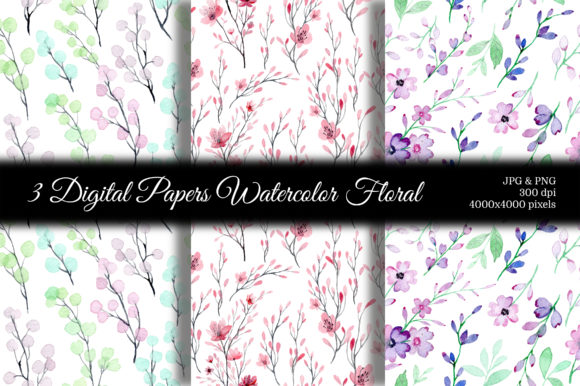
Seamless Pattern Floral Watercolor 122 Review
As a designer who spends more time staring at stitch simulations than most people care to admit, I approach every new machine embroidery design with a mix of excitement and skepticism. We have all downloaded a beautiful graphic only to find it turns into a bird's nest of thread once the needle hits the fabric. Today, I am taking a close look at Seamless Pattern Floral Watercolor 122. This isn't just about whether it looks pretty on a screen; it is about whether it holds up when you are trying to fulfill an order for a boutique client or stock your Etsy shop with high-quality handmade goods.
The Aesthetic: Softness Meets Structure
The first thing that strikes me about Seamless Pattern Floral Watercolor 122 is its mood. In a world of bold, blocky logos and hyper-realistic digitizing, this design leans into a softer, more organic personality. The "watercolor" aspect suggests a blend of colors and a lack of harsh outlines, which is a daring choice for embroidery. Usually, watercolor effects rely on gradients that are impossible to replicate with thread. However, this pattern manages to capture that ethereal feel through clever use of fill stitch variations and strategic color placement.
The layout is inherently repetitive, designed as a seamless tile. This makes it incredibly versatile for covering larger surface areas without looking disjointed. For a crafter or small business owner, this means you aren't limited to a single focal point on a chest pocket. You can envision this running along the hem of a linen apron, covering the entirety of a tote bag, or serving as an all-over print on a baby blanket. The visual personality is gentle and inviting, making it a perfect fit for nursery decor, wedding gifts, or spring-themed collections.
Real-World Application: The Tote Bag Test
To truly evaluate this embroidery file, I imagined a specific real-life scenario: a custom order for a local farmer's market vendor who needed branded tote bags. She wanted something that felt artisanal but durable. Seamless Pattern Floral Watercolor 122 seemed like the ideal candidate. When mapping this out for a tote bag design, the seamless nature allows the pattern to wrap around the gusset or cover the front panel entirely without awkward cut-offs.
In terms of stitch density, patterns like this can be tricky. If the density is too high, the fabric puckers, and the hand of the material becomes stiff as cardboard. If it is too low, the backing shows through, ruining the watercolor illusion. Based on the visual complexity, this design likely requires a balanced approach. For a canvas tote, the texture of the fabric helps mask minor gaps, but for a smoother cotton twill, you would need to ensure your stabilizer game is strong. I would recommend a cut-away stabilizer for this application to ensure the finished product maintains its shape after repeated washing and heavy use.
Apparel and Textile Considerations
Moving beyond bags, let's consider custom apparel. Imagine this pattern on a oversized sweatshirt. The softness of the floral motif complements the cozy nature of fleece or French terry cloth. However, this is where you must be careful. Stretchy fabrics are the enemy of dense patterns. If Seamless Pattern Floral Watercolor 122 has significant coverage, applying it to a stretchy knit could lead to distortion. In this case, testing on scrap fabric is non-negotiable. You need to see how the satin stitch borders (if present) interact with the stretch of the garment.
For baby embroidery projects, such as a receiving blanket or a bib, the design shines due to its lack of aggressive, sharp lines. Babies have sensitive skin, so ensuring there are no bulky jump stitches or rough backs is crucial. A design with a watercolor aesthetic often implies softer transitions, which usually translates to a flatter, more comfortable feel against the skin. Just be mindful of the thread colors; ensure they are colorfast, as baby items undergo frequent laundering.
Technical Challenges and Fabric Pairing
No design is universal, and Seamless Pattern Floral Watercolor 122 is no exception. There are specific scenarios where you should proceed with caution. First, consider hoop size. Since this is a pattern, you might be tempted to hoop it multiple times to create a large field of flowers. Registration becomes critical here. If your machine shifts even a millimeter between hoops, the seamless effect breaks, leaving visible gaps or overlaps that look unprofessional.
Dark fabrics present another challenge. Watercolor designs often rely on light, pastel, or mid-tone threads to achieve their blended look. Stitching these directly onto black or navy fabric will result in poor contrast unless the design includes a solid underlay or background fill. If the digital embroidery file does not account for this, you may need to manually add a layer of white or neutral thread beneath the design, which increases bulk and stitch count.
Furthermore, textured fabrics like waffle weave or heavy tweed can interfere with the clarity of fine details. The "watercolor" effect depends on the eye blending distinct blocks of color. If the fabric texture is too dominant, it disrupts this optical blending, making the design look muddy rather than artistic. For these materials, a simpler running stitch outline or a less dense fill might be preferable, though that deviates from the original intent of the design.
Commercial Viability and Brand Consistency
For Etsy sellers and creative entrepreneurs, the value of a design lies in its ability to elevate brand perception. Using Seamless Pattern Floral Watercolor 122 signals a certain level of sophistication. It tells the customer that you care about aesthetics and detail. However, consistency is key. If you use this pattern on a pillow cover, ensure the stitching quality matches your other products. A sloppy execution of a beautiful design damages customer trust faster than a simple design stitched perfectly.
When creating printable mockups for your online store, this design offers excellent visual appeal. The floral theme is evergreen, fitting into spring, summer, and even holiday categories depending on the color palette chosen. It works well for holiday embroidery if you swap traditional greens and reds for softer sage and blush tones, appealing to modern buyers who prefer subtle festive decor over loud graphics.
Final Verdict and Designer Notes
Before you commit to stitching Seamless Pattern Floral Watercolor 122 on a client's expensive garment, here are my practical notes:
- Test First: Always stitch a sample on the exact fabric you intend to use. Check for puckering and registration issues.
- Check Licensing: Verify the license terms. Some design assets are for personal use only, while others allow commercial sales of finished physical goods but prohibit selling the file itself.
- Stabilizer Matters: Do not skimp on stabilizer. For a pattern of this nature, a good quality cut-away is often safer than tear-away, especially for items that will be washed often.
- Thread Contrast: View your design in black and white on your screen. If the different floral elements blend into a gray blob, you may need to adjust thread shades for better definition.
- File Details: Since specific stitch counts and formats vary by vendor, confirm the file type matches your machine and check the recommended hoop size before purchasing.
In conclusion, Seamless Pattern Floral Watercolor 122 is a strong contender for designers looking to add a touch of organic elegance to their small shop product lines. It bridges the gap between digital art and tactile craft, provided you respect the technical limitations of the medium. With the right fabric pairing and careful attention to stabilization, this pattern can transform a basic item into a cherished personalized gift or a standout piece in your commercial catalog.