Pink Rose Watercolor: A Designer's Review for Embroidery
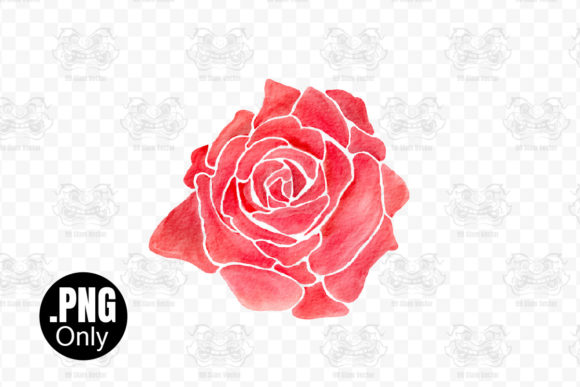
As someone who spends more time staring at stitch simulations than most people care to admit, I approach every new machine embroidery design with a mix of excitement and skepticism. When I first pulled up the Pink Rose, Watercolor Paintings file on my screen, my immediate reaction was one of relief. Finally, a floral motif that understands the difference between a digital painting and a stitched reality. This isn't just another generic flower clipart converted into stitches; it feels like a deliberate translation of soft, fluid art into the structured language of thread.
The mood this design creates is undeniably gentle and romantic, yet it retains enough definition to stand out on a finished product. For embroidery designers and small business owners, the visual personality of a design dictates its marketability. The Pink Rose, Watercolor Paintings theme leans heavily into the modern boutique aesthetic. It avoids the heavy, blocky look of older floral files, opting instead for a layout that mimics the organic bleed of watercolor pigments. This makes it an ideal candidate for projects where softness is the selling point, such as baby embroidery, bridal accessories, or spring-themed home decor.
Real-World Application: The Tote Bag Test
To truly evaluate this design, I mentally placed it onto a canvas tote bag, a staple item for any Etsy seller or craft fair vendor. Imagine a natural, unbleached cotton tote. The Pink Rose, Watercolor Paintings design sits perfectly centered, perhaps slightly off-center for a more artistic vibe. The way the petals transition from deep pink to pale blush suggests a sophisticated use of thread colors. In a real-life scenario, this design elevates a simple $5 bag into a $25 boutique item.
The shape and flow of the rose suggest it would also perform beautifully on a sweatshirt. Sweatshirt embroidery can be tricky because of the fleece backing and the texture of the fabric, but the open nature of this watercolor style prevents the design from becoming a stiff, cardboard-like patch. Instead, it allows the garment to drape naturally. For a custom apparel order, say for a bridesmaid gift or a mother's day present, this design offers that "hand-painted" look without the risk of paint cracking or fading after a wash cycle.
Navigating Fabric Textures and Hoop Constraints
While the aesthetic appeal is high, practical application requires a critical eye. Where should you use Pink Rose, Watercolor Paintings carefully? The first consideration is fabric texture. On highly textured fabrics like terry cloth or thick wool blends, the finer details of the watercolor effect might get lost. The subtle shifts in color that define the "painting" style rely on clear stitch placement. If the fabric pile is too high, those nuances disappear, and you are left with a pink blob.
Similarly, caution is needed when working with stretchy fabrics or curved surfaces like caps. A cap embroidery project demands a design that can withstand the curvature of the front panel without distortion. While this rose is lovely, its organic, flowing edges might require careful digitizing adjustments or a smaller hoop size to ensure the outer petals don't get cut off or distorted by the frame tension. Always confirm the recommended hoop size before committing to a difficult garment.
Dark fabrics present another challenge. Watercolor styles often rely on white or light negative space to create the illusion of transparency. If you stitch this directly onto a black hoodie without an underlay or a white backing, the vibrancy of the pinks will be muted. For dark backgrounds, consider using this as an applique design concept, stitching the outline on a light fabric first and then appliquéing it onto the dark garment, though this changes the original intent of the file.
Commercial Value and Customer Perception
For the commercial embroidery professional, the value of a design lies in its ability to build brand consistency and trust. The Pink Rose, Watercolor Paintings file exudes professionalism. It tells the customer that the maker cares about artistic detail. When a buyer sees this level of intricacy on a pillow cover or a kitchen towel, they perceive higher value. It moves the item from a "craft" to a "heirloom."
This design is particularly strong for holiday embroidery seasons. Think of Valentine's Day, Mother's Day, or even soft pastel Easter themes. The universal appeal of a rose combined with the trendy watercolor look makes it a versatile asset for printable mockups and digital product previews. An Etsy seller could easily create a cohesive shop collection featuring this rose on aprons, tea towels, and nursery decor, creating a recognizable brand identity.
Essential Designer Notes for Execution
Before you load this digital embroidery file into your machine, there are several practical steps to ensure success. First and foremost, test the design on scrap fabric that matches your final project material. Do not skip this step. Check the stitch density; watercolor effects sometimes use complex blending techniques that can lead to thread breaks if the density is too high for your machine's speed.
- Thread Selection: Pay close attention to thread color contrast. Use variegated threads if possible to enhance the watercolor gradient effect, or stick to high-quality rayon for that signature sheen.
- Stabilizer Choice: Because of the potentially detailed fill stitches, a good cut-away stabilizer is often safer than tear-away, especially for items that will be washed frequently like tote bags or apparel.
- Mockup Testing: View the design in black and white on your software. This helps you see if the contrast holds up without the distraction of color, ensuring the shape remains distinct.
- Licensing Verification: Always confirm the licensing terms provided with the file. While it looks perfect for a small shop product, ensure you have the rights to sell finished items or if it is restricted to personal use only.
It is also wise to inspect small details. Does the design include tiny running stitches that might not hold up on a baby item? Are there dense satin stitch areas that could pucker thin fabric? The Pink Rose, Watercolor Paintings appears to balance these well, but every machine behaves differently. If you are planning a large run of custom apparel, stitch out one sample and wash it three times before promising delivery to a client.
In the realm of Crafts, finding a design that bridges the gap between artistic expression and technical feasibility is rare. This design manages to feel like a painting while respecting the limitations of the needle and thread. Whether you are creating a personalized gift for a friend or building inventory for a boutique, this rose offers a blend of elegance and practicality. It serves as a reminder that the best embroidery projects are those where the technology fades into the background, leaving only the beauty of the art visible in the finished product.
Ultimately, the Pink Rose, Watercolor Paintings design is a strong contender for your library. It invites creativity, challenges you to choose the right materials, and rewards you with a stunning visual result. Just remember to respect the medium, check your settings, and let the design do what it does best: bring a touch of soft, painted romance to the tangible world of stitched goods.