Review: Tumbler Sublimation Red Watercolor for Embroidery
When I first pulled up the Tumbler Sublimation Red Watercolor file on my screen, my initial reaction wasn't about the sublimation potential, but rather how this aesthetic would translate into thread. As a designer who spends more time staring at stitch simulations than printed mockups, I immediately started mentally converting those soft, bleeding watercolor edges into satin columns and fill patterns. This design carries a specific mood—warm, fluid, and slightly organic—that poses both an exciting challenge and a fantastic opportunity for anyone running a craft business or looking to elevate their handmade product lineup.
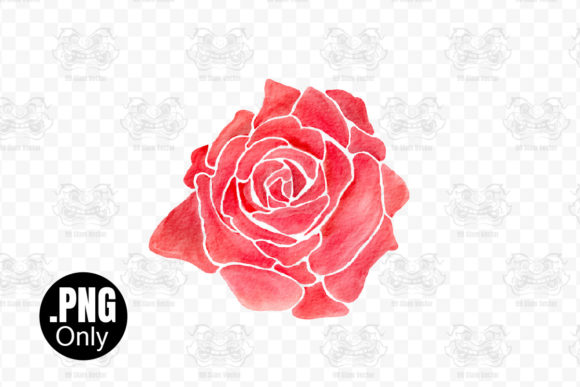
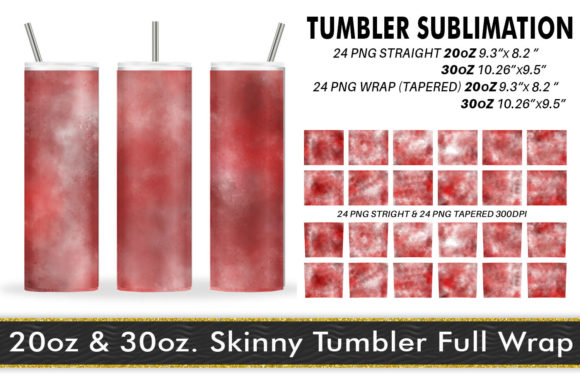
The visual personality of Tumbler Sublimation Red Watercolor is defined by its gradient tones and loose, artistic shape. In the world of machine embroidery design, replicating a watercolor effect requires a keen eye for stitch density and color blending. If you are considering this for a real-world project, you aren't just buying a pretty picture; you are investing in a design asset that needs to perform under the needle. The red hues suggest passion and energy, making it a strong candidate for boutique branding or seasonal collections where warmth is key.
Translating Watercolor Aesthetics into Stitch
The biggest hurdle with any watercolor-inspired graphic is maintaining the softness without losing definition. When I envision using Tumbler Sublimation Red Watercolor on a physical item, I am thinking heavily about the transition between satin stitch borders and internal fill stitch areas. To get that "bleed" effect typical of watercolors, the digitizer (or you, if you are editing the embroidery file) needs to ensure the thread colors step down gradually. A harsh jump from dark crimson to light pink will kill the illusion.
For a practical test case, imagine applying this to a high-quality canvas tote bag design. The texture of the canvas interacts beautifully with the sheen of polyester thread. If the design relies on long running stitches to mimic brush strokes, it could look incredibly sophisticated. However, if the original artwork is too detailed, those fine lines might get lost or cause bird-nesting on a home machine. This is why Tumbler Sublimation Red Watercolor works best when simplified slightly for embroidery, focusing on the main shapes rather than every tiny droplet of "paint."
Ideal Applications for Small Shops and Makers
So, where does this design actually shine in a commercial setting? I see immense potential for custom apparel, specifically on light-colored sweatshirts or hoodies. The sweatshirt embroidery market is saturated with block letters and simple icons; introducing a fluid, artistic element like this can help an Etsy seller stand out. It feels less like a standard logo and more like wearable art.
Beyond clothing, consider the holiday embroidery market. Red is obviously a dominant color for Christmas and Valentine's Day. Using Tumbler Sublimation Red Watercolor on kitchen towels or aprons creates a festive yet elegant look that appeals to customers looking for personalized gift options. It also translates well to baby embroidery if the scale is reduced and softened further, perhaps for a nursery wall hanging or a special occasion onesie. The key is context; this isn't a rugged, industrial design. It belongs on items that invite touch and convey a sense of care.
Navigating Fabric Textures and Hoop Limitations
While the design is stunning, we must be realistic about its limitations. Watercolor effects often rely on subtle gradients that can be muddy on textured fabrics. If you are stitching this onto a thick terry cloth towel or a coarse linen, the fabric texture might break up the smooth color transitions. In these cases, I recommend using a heavier cut-away stabilizer to keep the fabric flat and prevent the stitches from sinking in too deep.
Another critical factor is the hoop size. Depending on how the file was originally digitized for sublimation, the embroidery version might have intricate corners or tiny details that require a small hoop for precision. If you are attempting to stitch this on a curved surface like a cap, be very careful. The curvature can distort the watercolor shape, making the red pools look uneven. For hats, I would suggest simplifying the design into a more solid embroidered patch format before application.
Furthermore, dark fabrics present a challenge. A red watercolor design usually assumes a white or light background to let the transparency shine through. On a black garment, you would need to create an underlay or a backing layer, which adds bulk and changes the hand-feel of the finished product. Always test your thread colors against the specific fabric weight you intend to use. What looks vibrant on a digital printable mockup can look dull if the thread doesn't catch the light correctly on the actual material.
Professional Notes for Commercial Use
Before you list this as a small shop product or include it in a client order, there are several due diligence steps every professional should take. First, never assume the sublimation file is ready for the hoop. You likely need a dedicated digital embroidery file format (like PES, DST, or EXP) optimized for stitching. Check the license terms explicitly; just because a design is labeled for Crafts doesn't automatically grant rights for unlimited commercial embroidery sales.
I strongly advise running a test stitch-out on scrap fabric identical to your final product. Look closely at the stitch density. Is it too dense, causing the fabric to pucker? Is it too sparse, letting the background show through awkwardly? Pay attention to the smallest details. If there are tiny lettering elements or fine lines within the watercolor wash, they might need to be removed or thickened for durability, especially for items that will undergo frequent washing.
Finally, think about brand consistency. Does Tumbler Sublimation Red Watercolor fit your shop's aesthetic? If your brand is known for minimalist geometric lines, this organic, flowing design might confuse your customer base. However, if you specialize in bohemian, artistic, or romantic styles, this design could become a signature element in your catalog. By treating the design with respect and understanding its technical requirements, you can turn a simple graphic into a high-value finished product that builds customer trust and drives engagement.