Reviewing Flamingo Tumbler Clipart for Embroidery Projects
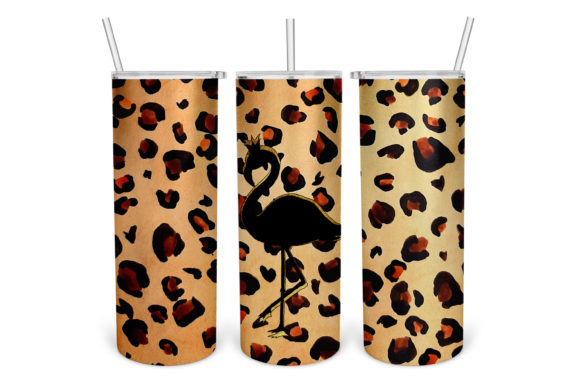
As a designer who spends more time staring at stitch simulations than actual sunlight, I approach every new machine embroidery design with a healthy dose of skepticism. We have all been there: you download a cute graphic, load it onto your machine, and halfway through the run, you realize the density is too high for the fabric or the details are going to vanish into a puckered mess. That is why I took a close look at the Flamingo Tumbler, Flamingo Clipart collection before committing it to any client work. This isn't just about whether the image looks good on a screen; it is about how those vectors translate into thread, stabilizer, and fabric texture in the real world.
First Impressions and Visual Personality
When I first pulled up the files for Flamingo Tumbler, Flamingo Clipart, the immediate vibe was summery, relaxed, and undeniably trendy. The aesthetic leans heavily into that "tropical vacation" mood that sells incredibly well during spring and summer seasons. From a layout perspective, the designs feel balanced. They aren't overly cluttered, which is a massive plus for embroidery. Often, clipart meant for print includes tiny details that simply cannot hold up under a needle. However, these shapes appear robust enough to handle the transition from digital pixel to physical stitch.
The visual personality here is playful yet clean. For a craft business owner, this is gold. You want something that reads clearly from a distance but still holds interest up close. Whether you are aiming for a retro tiki bar feel or a soft, pastel nursery theme, the core shape of the flamingo offers enough versatility. It feels like a design that belongs on a tote bag design for a beach trip or a sweatshirt embroidery project for a bachelorette party. The simplicity suggests it could work well with both satin stitch borders for definition and fill stitch areas for solid color blocks, depending on how you digitize or adjust the existing embroidery file.
Real-World Application Scenarios
Let's talk about where this actually works. I recently had a request for a set of custom kitchen towels for a client hosting a tropical-themed bridal shower. My mind immediately went to the Flamingo Tumbler, Flamingo Clipart concept. On a waffle-weave tea towel, a design like this needs to be punchy. If the lines are too thin, they get lost in the texture. If they are too dense, the towel becomes stiff and unusable. Assuming the digitizing is done correctly with appropriate underlay, this motif would sit beautifully on a linen or cotton blend.
Beyond linens, think about custom apparel. A left-chest logo on a polo shirt or a large back print on a toddler's t-shirt are prime candidates. For an Etsy seller, the versatility is key. You could easily pair this with monogram fonts to create high-value personalized gift options. Imagine a navy blue zip-up hoodie with a bright pink flamingo stitched over the heart; it creates an instant focal point. It also translates well to embroidered patch creation. If you merrow the edges around this shape, you have a fantastic accessory for hats or backpacks that appeals to a younger demographic.
I also see strong potential in the holiday embroidery market, specifically for summer holidays or destination weddings. Creating coordinated group shirts for a family vacation using this clipart adds a layer of professionalism to your small shop product lineup. It moves away from generic store-bought tees and into the realm of bespoke handmade product status.
Technical Considerations and Fabric Challenges
However, we need to be realistic about the limitations. Not every surface is friendly to every design. When working with Flamingo Tumbler, Flamingo Clipart, you must consider your hoop size constraints. If you are downsizing the design for a baby onesie or a cap, those delicate leg lines or beak details might collapse. On stretchy fabrics like jersey knit, which are common for baby embroidery, you absolutely must use a high-quality cut-away stabilizer. Without it, the weight of the thread will distort the fabric over time, making your beautiful flamingo look warped after the first wash.
Textured fabrics present another hurdle. If you are stitching onto a thick terrycloth towel or a fuzzy fleece blanket, the thread colors need to have high contrast against the background. A light pink flamingo on a cream-colored towel might look elegant in a printable mockup, but in reality, it could disappear. In these cases, I recommend adding a running stitch outline or increasing the density slightly to ensure the design pops. Furthermore, be cautious with dark fabrics. If the digital embroidery file relies on white underlay to make the colors vibrant, ensure your digitizer has accounted for that, or you might end up with dull, muddy tones.
Curved surfaces like caps require special attention. The center of a cap is unforgiving. If the stitch density is too high in the center of the flamingo's body, the cap crown might pucker or the visor might tilt. Always test on a scrap piece of the exact same material before running a production batch. This is non-negotiable for maintaining customer trust and brand consistency.
Enhancing Value and Professionalism
Ultimately, the goal of using assets like Flamingo Tumbler, Flamingo Clipart is to elevate the perceived value of your finished product. A well-executed embroidery job tells the customer that care was taken. It signals quality. When a customer sees crisp edges, smooth fills, and no pull-outs, they associate that quality with your brand. This leads to repeat business and positive reviews, which are the lifeblood of any creative entrepreneur.
For those selling design assets or finished goods, the presentation matters. Use this clipart to create cohesive collections. Match the flamingo motif with palm leaves or sunset gradients in your marketing materials. This helps buyers visualize the end result, increasing buyer engagement. Whether you are creating a commercial embroidery run for a local boutique or making one-off gifts for friends, the clarity of the stitch work defines the success of the project.
Practical Notes for Designers
Before you start stitching, here is my checklist for working with this type of design:
- Test First: Always stitch out on a scrap of your intended fabric. What looks good on cotton might fail on polyester.
- Check Contrast: View your design in black and white to ensure the shapes are distinct without relying on color.
- Review Density: Ensure the fill areas aren't so dense that they cause needle heat or fabric stiffness.
- Verify Licensing: Since this falls under the Crafts category, double-check the license terms. Can you sell the finished item? Can you sell the digitized file? Never assume.
- Stabilizer Choice: Match your stabilizer to the fabric weight. Water-soluble is great for towels, but cut-away is better for stretchy garments.
- Thread Quality: Use high-sheen rayon or durable polyester thread to enhance the tropical vibe and ensure longevity.
In conclusion, Flamingo Tumbler, Flamingo Clipart offers a solid foundation for a variety of projects, provided you respect the technical limits of embroidery. It is a cheerful, marketable asset that, when handled with professional care, can become a staple in your portfolio. Just remember, the magic isn't just in the download; it's in the execution.